237.5 Million
People
Nigeria is home to over 237.5 million people, making reliable, affordable, and sustainable energy essential for economic growth and improved quality of life.

A national community
As the Nigerian National Committee of the UN-accredited World Energy Council, WEC Nigeria brings together industry, government, and innovators to advance the nation's energy transition.
We bring people, ideas, and insight together to support a more secure, affordable, and sustainable energy system for Nigeria.
Understanding Nigeria's energy landscape
A quick look at the scale of Nigeria's energy needs, access challenges, and the opportunities shaping the country's transition.
237.5 Million
People
Nigeria is home to over 237.5 million people, making reliable, affordable, and sustainable energy essential for economic growth and improved quality of life.
150.9 Million
People with Access to Electricity
Approximately 150.9 million Nigerians have access to electricity, reflecting continued progress in expanding energy access across the country.
78.5 Million
People with Access to Clean Cooking
Around 78.5 million people have access to clean cooking solutions, supporting healthier households, improved livelihoods, and reduced environmental impact.
936.5 TWh
Primary Energy Supply
Nigeria's primary energy supply totals 936.5 terawatt-hours (TWh), powering homes, businesses, industries, and critical infrastructure nationwide.
340,000
Net New Energy Jobs by 2030
Nigeria's energy transition is projected to create approximately 340,000 net new jobs by 2030, unlocking new opportunities in renewable energy, infrastructure, manufacturing, and related industries.
13,625 MW
Installed Grid-Connected Generation Capacity
Nigeria has an installed grid-connected electricity generation capacity of 13,625 megawatts (MW), providing the foundation for national power supply.
218 MW
Renewable Energy Capacity
Nigeria has installed 218 MW of renewable energy capacity, including 197 MW from solar and 21 MW from bioenergy, demonstrating the country's growing investment in cleaner energy sources.
7.93 Billion
Standard Cubic Feet of Natural Gas Per Day
Nigeria produces approximately 7.93 billion standard cubic feet (Bscf) of natural gas daily, reinforcing its position as one of Africa's leading natural gas producers.
1.735 Million
Barrels of Crude Oil Per Day
Nigeria produces an average of 1.735 million barrels of crude oil per day, making the petroleum sector a major contributor to the nation's economy and export earnings.
1.11 Million
Barrels Per Day Domestic Refining Capacity
Nigeria has an installed domestic refining capacity of approximately 1.11 million barrels per day, strengthening its ability to meet local fuel demand and improve energy security.
237.5 Million
People
Nigeria is home to over 237.5 million people, making reliable, affordable, and sustainable energy essential for economic growth and improved quality of life.
150.9 Million
People with Access to Electricity
Approximately 150.9 million Nigerians have access to electricity, reflecting continued progress in expanding energy access across the country.
78.5 Million
People with Access to Clean Cooking
Around 78.5 million people have access to clean cooking solutions, supporting healthier households, improved livelihoods, and reduced environmental impact.
936.5 TWh
Primary Energy Supply
Nigeria's primary energy supply totals 936.5 terawatt-hours (TWh), powering homes, businesses, industries, and critical infrastructure nationwide.
340,000
Net New Energy Jobs by 2030
Nigeria's energy transition is projected to create approximately 340,000 net new jobs by 2030, unlocking new opportunities in renewable energy, infrastructure, manufacturing, and related industries.
13,625 MW
Installed Grid-Connected Generation Capacity
Nigeria has an installed grid-connected electricity generation capacity of 13,625 megawatts (MW), providing the foundation for national power supply.
218 MW
Renewable Energy Capacity
Nigeria has installed 218 MW of renewable energy capacity, including 197 MW from solar and 21 MW from bioenergy, demonstrating the country's growing investment in cleaner energy sources.
7.93 Billion
Standard Cubic Feet of Natural Gas Per Day
Nigeria produces approximately 7.93 billion standard cubic feet (Bscf) of natural gas daily, reinforcing its position as one of Africa's leading natural gas producers.
1.735 Million
Barrels of Crude Oil Per Day
Nigeria produces an average of 1.735 million barrels of crude oil per day, making the petroleum sector a major contributor to the nation's economy and export earnings.
1.11 Million
Barrels Per Day Domestic Refining Capacity
Nigeria has an installed domestic refining capacity of approximately 1.11 million barrels per day, strengthening its ability to meet local fuel demand and improve energy security.
WEC Nigeria
World Energy Council Nigeria is the Nigerian National Committee of the World Energy Council; a global, UN-accredited energy organisation that brings together energy leaders in over 100+ countries.
In Nigeria, our role is simple but important: to create a trusted space where people from across the energy sector can come together to share ideas, learn from one another, and think long-term about the country's energy future. We work across all energy sources and technologies, supporting open dialogue that reflects Nigeria's realities and aspirations.
To support informed and balanced energy decision-making in Nigeria by convening stakeholders, sharing credible insights, and fostering dialogue that reflects both national priorities and global energy trends.
Learn more about usWorld Energy Council Nigeria is the Nigerian National Committee of the World Energy Council, bringing together leading energy-sector businesses, government, and research organisations. Together with its members, WEC Nigeria is shaping the energy agenda for Nigeria and globally.
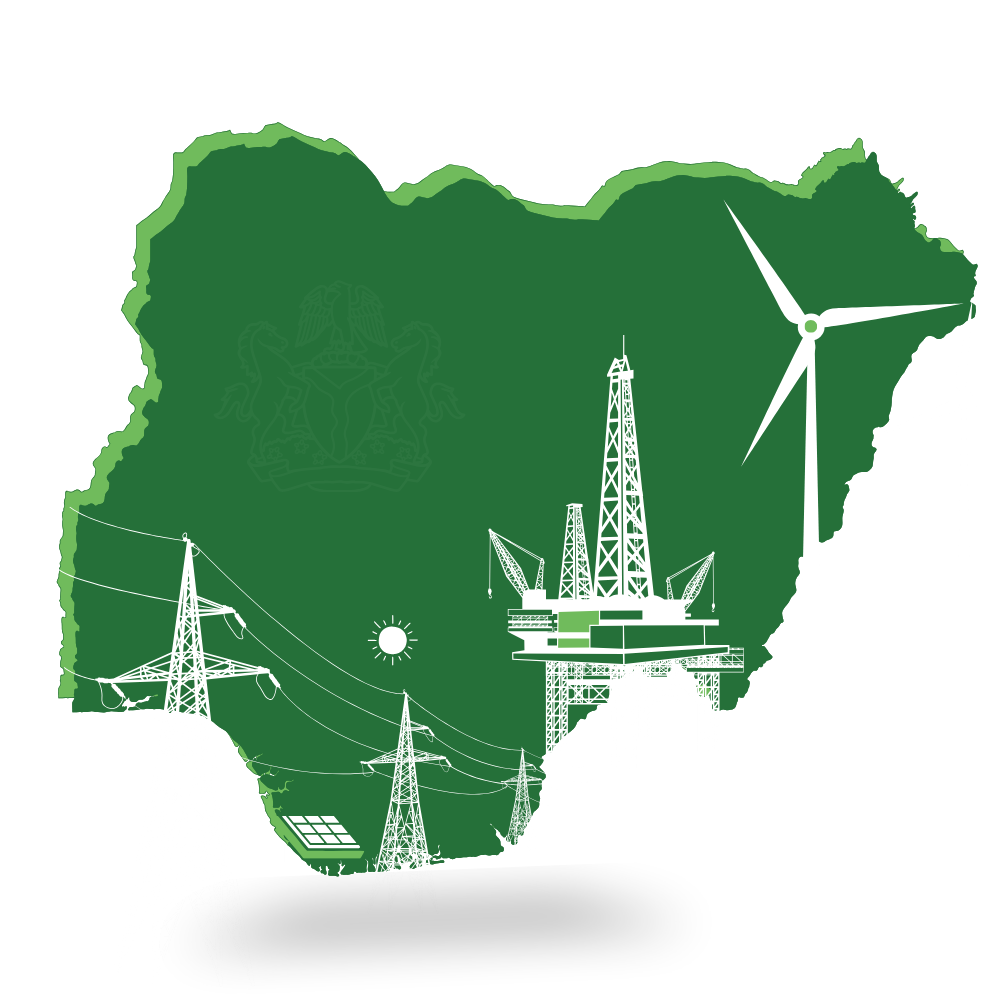
Why WEC Nigeria exists
60+
Years of energy leadership
100+
Countries in the WEC network
A national community building a better energy future for all
Organisations whose support and collaboration help shape Nigeria's energy dialogue and transition.

Working towards successful
The World Energy Council actively contributes the insights needed by energy leaders to make effective strategic, policy and business decisions about energy transitions. We provide reliable data, useful tools and impartial comment.
Our interactive Energy Transitions Toolkit includes comprehensive tools that can be used together or separately. They have been proven to drive effective change and progress successful energy transitions.
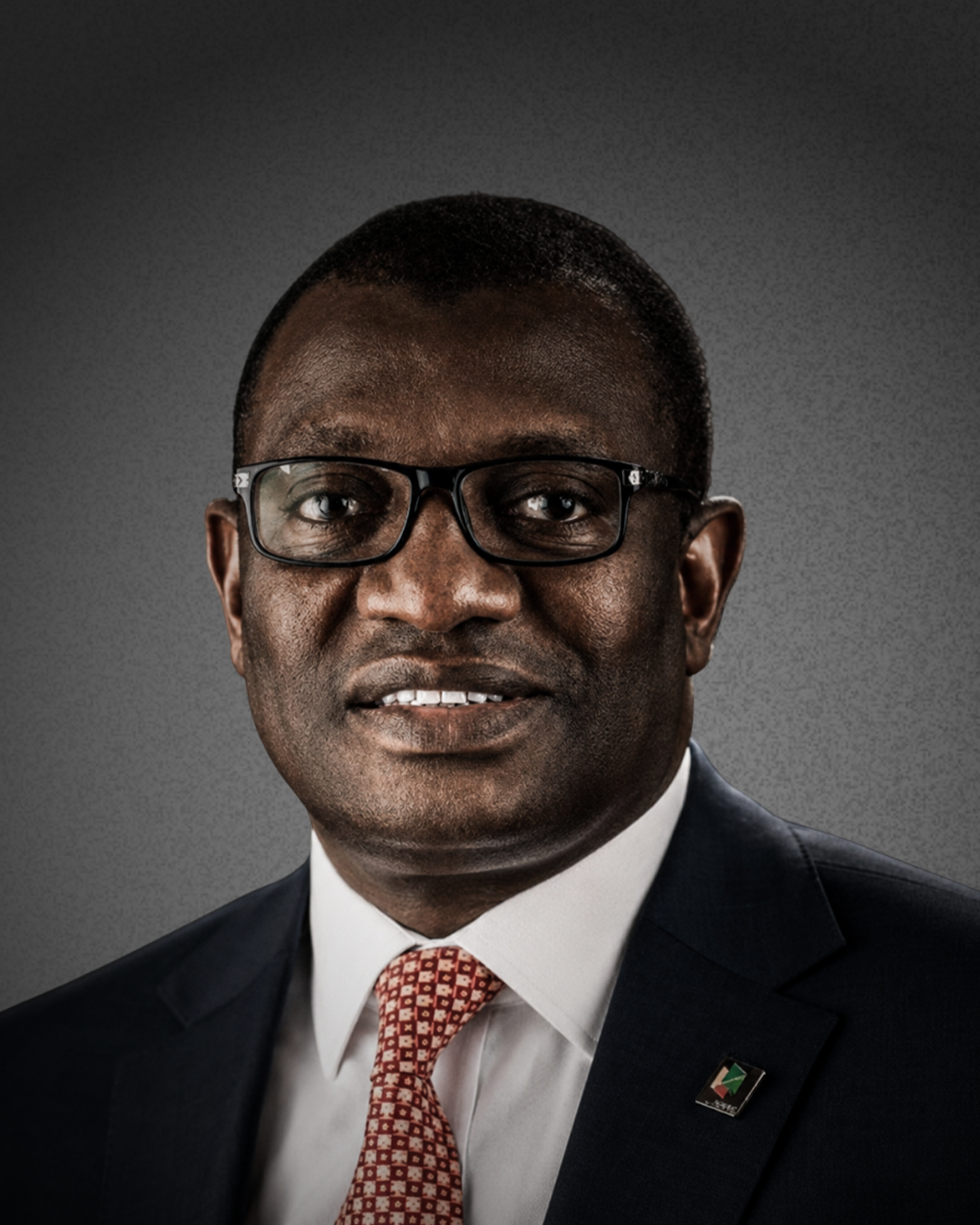
A message from our leadership
Welcome to the World Energy Council Nigeria.
It is a privilege to lead an organisation that reconnects Nigeria with the world's oldest and most respected independent energy network at a time when the future of energy has never been more important.
Nigeria stands at a defining moment. As Africa's largest energy economy, we possess the resources, talent and opportunity to shape not only our national energy future but also Africa's contribution to the global energy transition. Achieving this requires collaboration, innovation and bold leadership.
The World Energy Council Nigeria provides a trusted platform where government, industry, academia, development partners and civil society can work together to address our shared energy challenges and opportunities. Our role is to foster informed dialogue, generate practical insights and connect Nigerian perspectives with global thinking to advance secure, affordable and sustainable energy systems.
As part of the World Energy Council's global network, we are committed to ensuring that Nigeria contributes meaningfully to international energy conversations while drawing on global knowledge, innovation and partnerships to accelerate national progress. We believe that the world's energy future will be stronger when Africa's voice is heard, and Nigeria is uniquely positioned to help shape that future.
Our ambition is clear—to establish WEC Nigeria as the country's leading platform for strategic energy dialogue, trusted thought leadership and international collaboration. Through our programmes, partnerships and engagement, we will support policies and initiatives that strengthen energy security, expand access, accelerate sustainable development and enhance Nigeria's global energy leadership.
This journey belongs to all of us. Whether you are a policymaker, business leader, researcher, investor, entrepreneur or young professional, I invite you to engage with WEC Nigeria as we work together to build a more resilient, inclusive and sustainable energy future for Nigeria, Africa and the world.
I look forward to welcoming you to the World Energy Council Nigeria and to working together to shape better energy futures.
Events
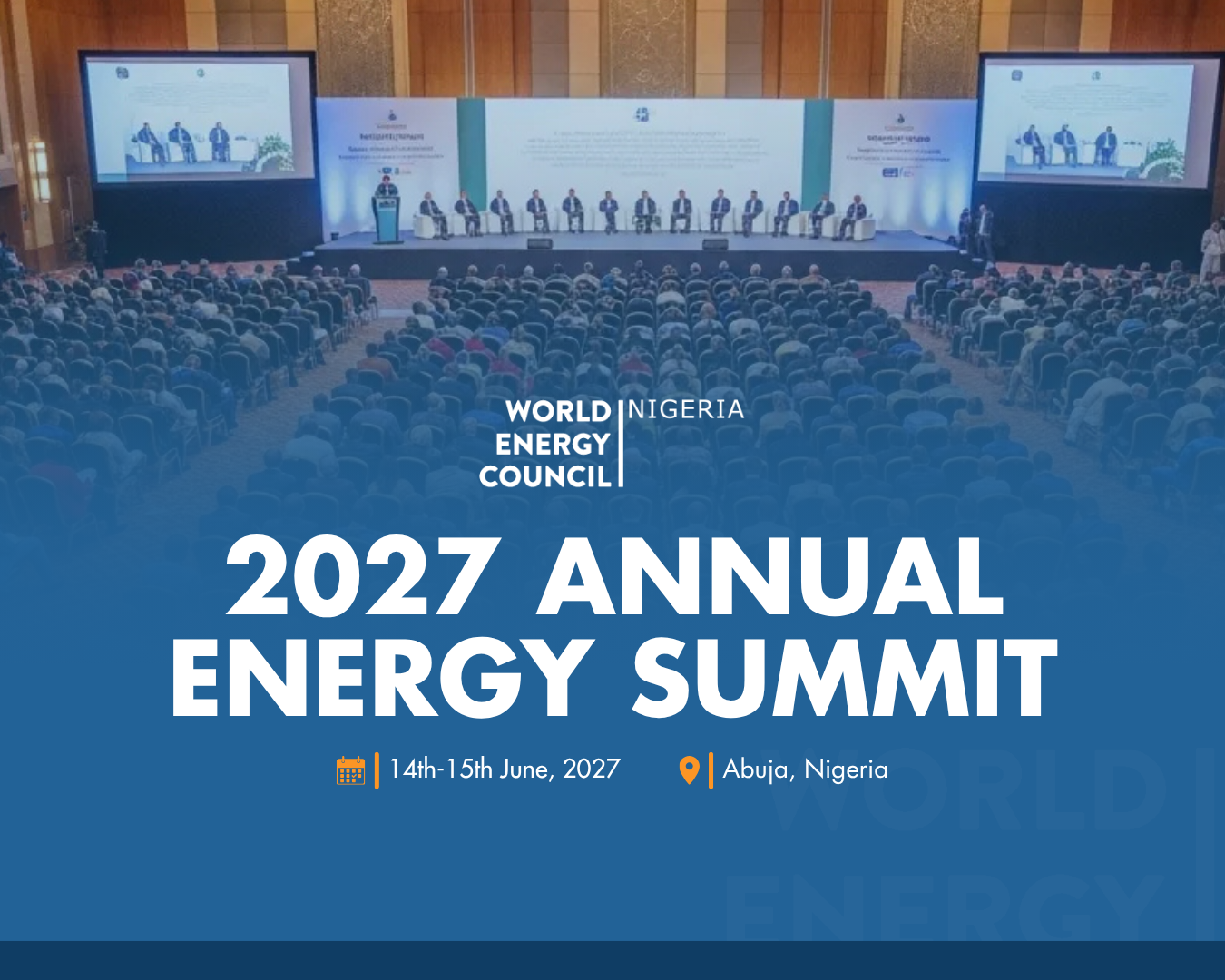
We host conversations that matter; bringing people together to discuss the realities, opportunities, and future of Nigeria's energy sector.
 New
NewPublished on 06 Aug 2026
 New
NewPublished on 03 Aug 2026
Published on 23 Jun 2026
Published on 14 Jun 2026
Published on 09 Jun 2026
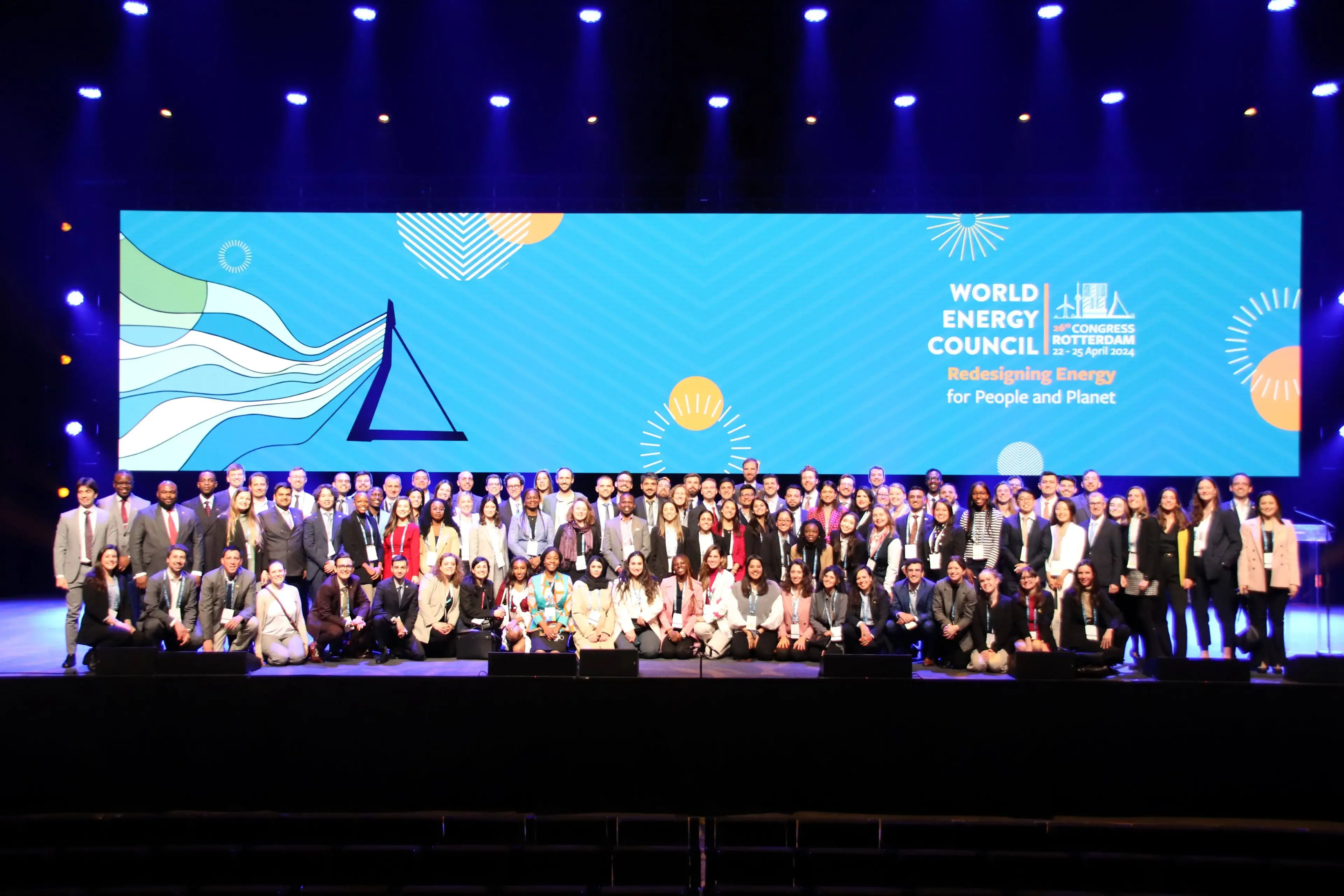
Published on 20 Apr 2026
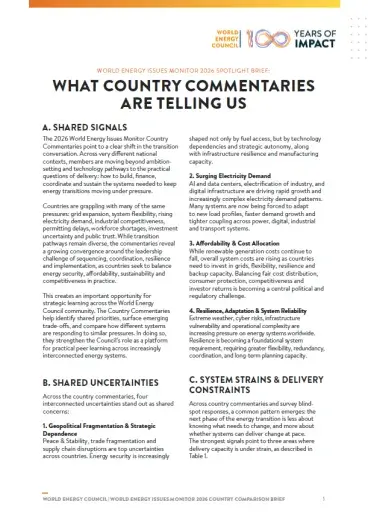 New
NewPublished on 24 Jun 2026
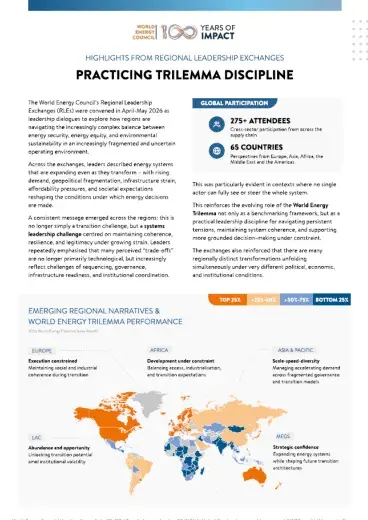
Published on 16 Jun 2026
Published on 16 Jun 2026
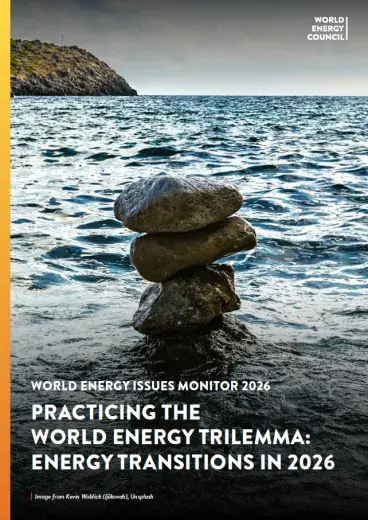
Published on 26 Mar 2026
Join our community
Joining WEC Nigeria means becoming part of a community that cares deeply about how energy shapes Nigeria's growth and wellbeing.
Become a MemberMembers gain opportunities to:
FAQ
Find answers to common questions about WEC Nigeria
The World Energy Council (WEC) is the world's largest and most influential multi-energy network. WEC Nigeria is the Nigerian member committee, committed to advancing sustainable energy solutions, supporting energy professionals, and fostering collaboration among government and private sector stakeholders.
Membership is open to organizations, and institutions. You can apply through our website by filling out the membership form. Benefits include access to exclusive events, publications, networking opportunities, and participation in policy discussions. Energy professionals Club membership is coming soon!
WEC Nigeria organizes various events including the National Energy Summit, workshops, seminars, and networking sessions. These events bring together industry leaders, policymakers, and innovators to discuss Nigeria's energy challenges and opportunities.
No. WEC Nigeria is not a regulatory authority and does not issue licences, approve projects, set tariffs or enforce energy-sector laws and regulations. Its role is to provide a neutral platform for informed dialogue, research, knowledge sharing and collaboration among stakeholders across the energy sector. Regulatory responsibilities remain with the relevant government ministries, departments, agencies and statutory regulators.
Yes. WEC Nigeria takes a whole-energy-system approach and is not limited to any single energy source, technology or commercial interest. Its work may cover oil, natural gas, electricity, renewable energy, nuclear energy, hydrogen, energy storage, energy efficiency and emerging technologies, as well as the infrastructure, finance, policies and people required to support the energy system. WEC Nigeria promotes balanced and evidence-based dialogue that considers energy security, affordability, accessibility and environmental sustainability.
WEC Nigeria’s positions are developed through consultation, research and evidence-based engagement with its members and relevant stakeholders. Depending on the issue, the process may include: • Expert working groups; • Member consultations; • Research and data analysis; • Stakeholder roundtables; • Industry and policy dialogues; • Review of global World Energy Council insights; and • Consideration of Nigeria’s national circumstances and development priorities. WEC Nigeria seeks to reflect a balanced range of perspectives rather than the interests of any single organisation, sector or energy source. Where a publication or statement represents a formal institutional position, it is reviewed and approved through the appropriate WEC Nigeria governance process.
Our publications, including energy reports, policy briefs, and research papers, are available in our Publications section. Some resources are open to the public, while exclusive content is available to registered members.
You can reach us through our Contact page, via email at info@wecnigeria.org, or through our social media channels. We welcome inquiries about membership, partnerships, events, and general information.
Stay connected
Receive the latest energy news, event announcements, and insights from WEC Nigeria and the World Energy Council community.